
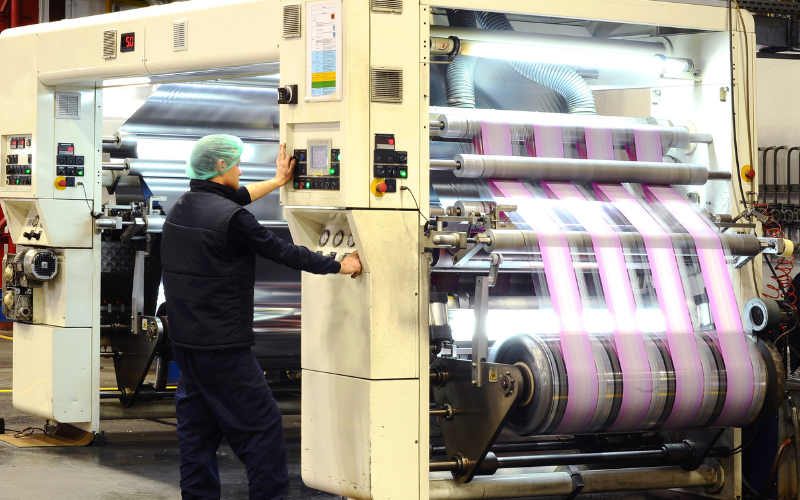
Label print runs that produce poor quality or unattractive products will rarely earn your business a reputation for excellence and can significantly impact your profits, as your clients will inevitably work with other label printers in future.
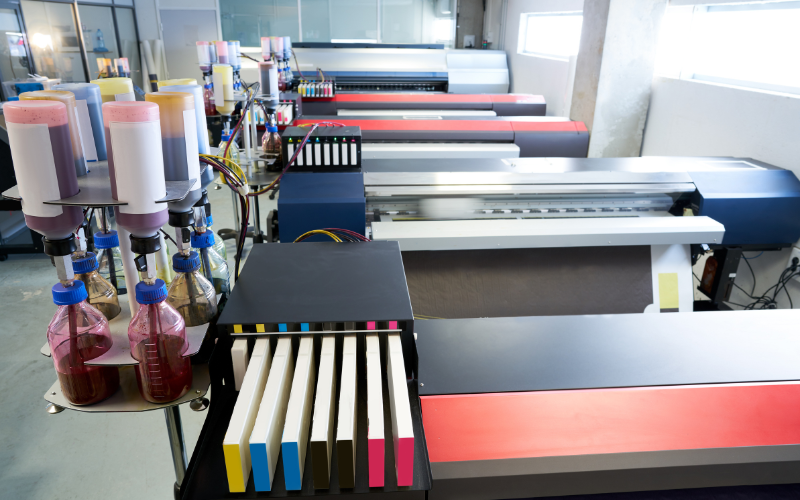
Efficiency and accuracy have always been non-negotiable in the printing industry but advances in textile printing machinery have stimulated faster production, greater customisation, and reduced waste, thereby meeting the evolving demands of a diverse and dynamic market. Businesses can now choose from a variety of printing methods to meet their specific production needs, each of which offers advantages in speed, quality, and flexibility. Therefore, it’s essential that printing businesses understand which technique best aligns with their objectives.

The label printing industry is rapidly evolving in response to changing consumer preferences and technological innovations. Brands that wish to stay relevant need to understand and adapt to the key shifts happening in label printing. Some of the major trends include the growth of digital printing, more creative label shapes and substrates, interactive or smart labels, clean label designs, and special finishes.
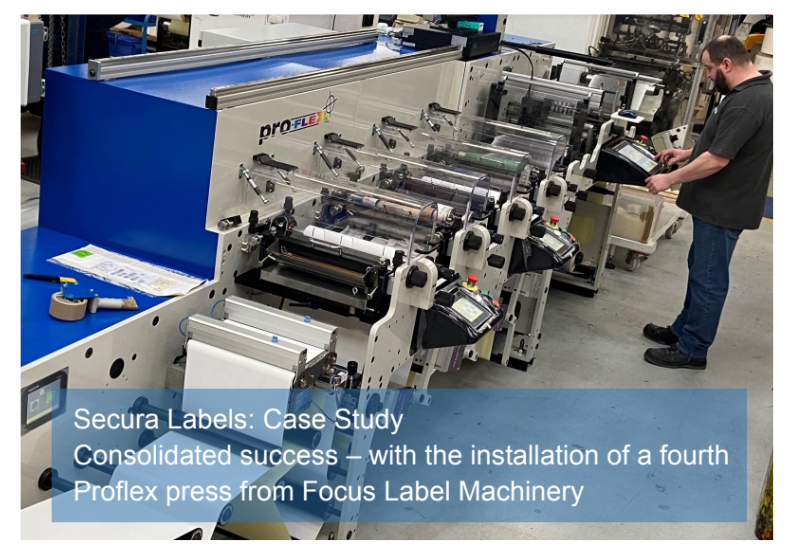
Founded in 1982, specialist label printer Secura Labels, based in Derbyshire UK, is a long established supplier of high quality labels to industry sectors, such as :
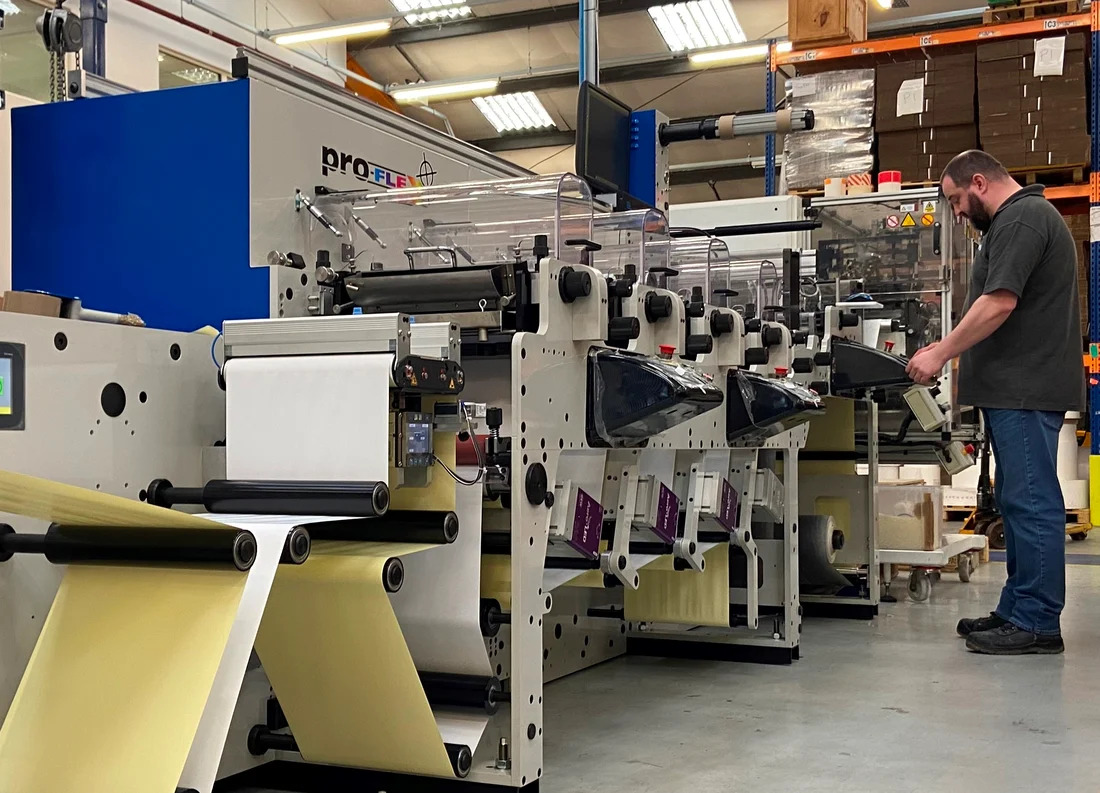
Specialist label printer Secura Labels Ltd, based in Derbyshire UK, has taken delivery of the very latest LED UV equipped Proflex 330E flexo press, manufactured & supplied by UK manufacturer, Focus Label Machinery Ltd. The new press joins three more Focus supplied machines and will increase production capacity and efficiency of high-quality self-adhesive labels.
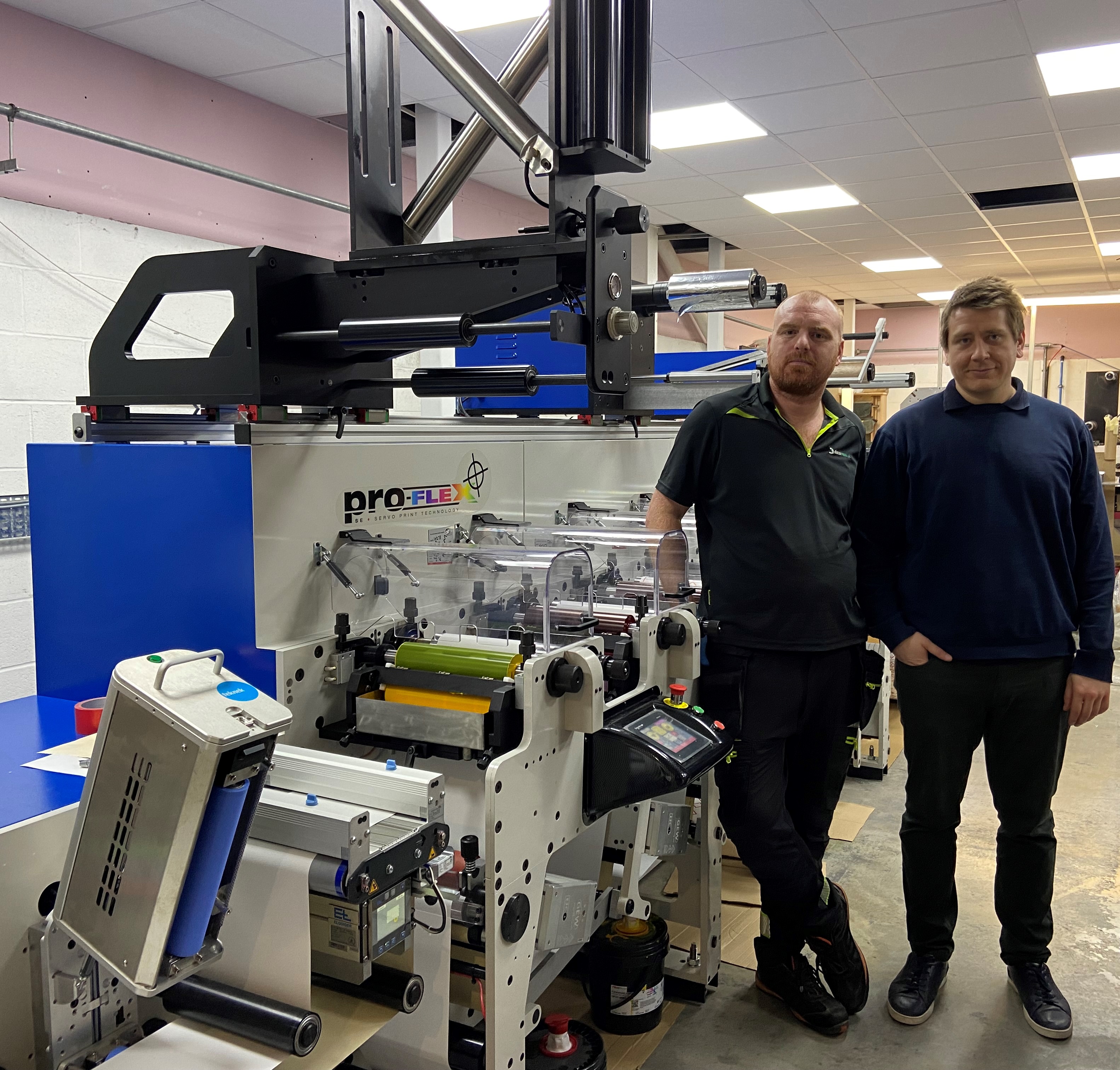
Hull based Label manufacturers DATAMARK have made large investments in 2024 expanding its present facility and production capacity with the installation of a new PROFLEX SE press from Focus Label Machinery Ltd.