
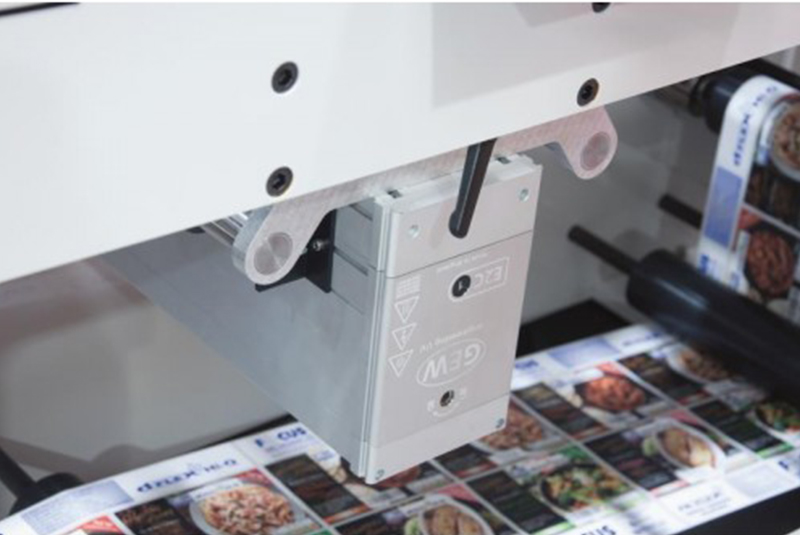
Digital capacity in label printing is often discussed in terms of innovation or transformation – or even ‘disruption’. On the shop floor, however, the growing importance of digital inkjet and hybrid technology appears to be less dramatic and more incremental. The shift to digitalisation is not necessarily replacing established production methods, but is allowing businesses to better adapt to shifts in workload patterns and customer expectations that have been building for some time.
Defining what makes a label press “modern” in the midst of such rapid technological change is not always straightforward. The answer will vary depending on your business model, customer base and long-term strategy, among other factors. However, beyond obvious considerations such as print quality , changeover times and productivity, there are several structural features that may warrant closer attention when evaluating new equipment. Whether considering advanced flexographic Printing platforms or expanding into digital label printing, the following areas often influence the long-term suitability of any press.
In an uncertain market, optionality has value; and for label converters, that optionality increasingly depends on digital capability. A ‘comprehensive digital printing portfolio’ does not imply constant use of every available new technology. Instead, it indicates the ability to choose the most commercially appropriate pathway for each job, whether that involves digital label printing, hybrid production, or established flexographic processes. The goal is to build a set of digital capabilities that allow your business to respond credibly to a wider range of customer demands, without compromising operational control – and without introducing unnecessary complexity to your workflows.
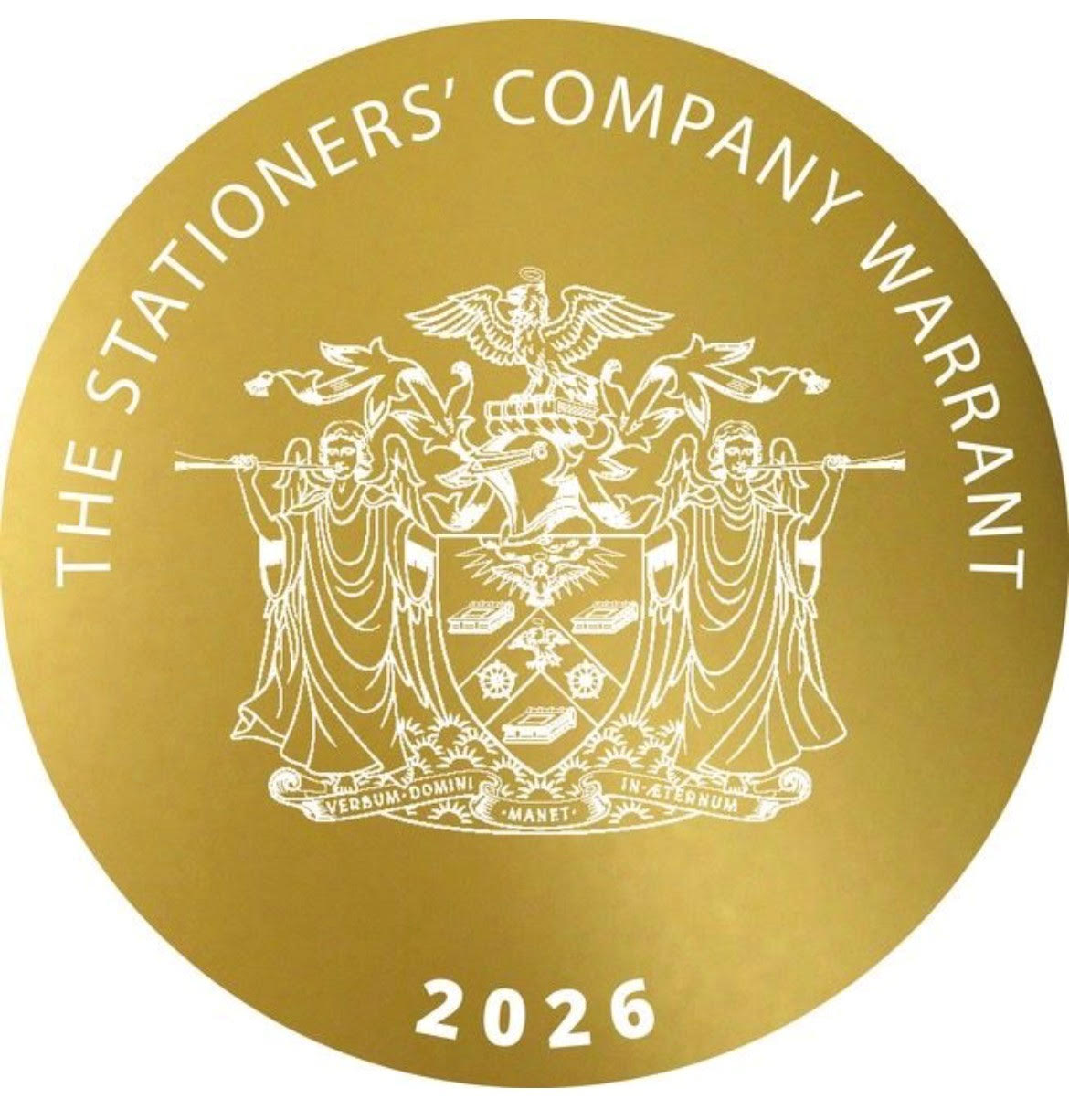
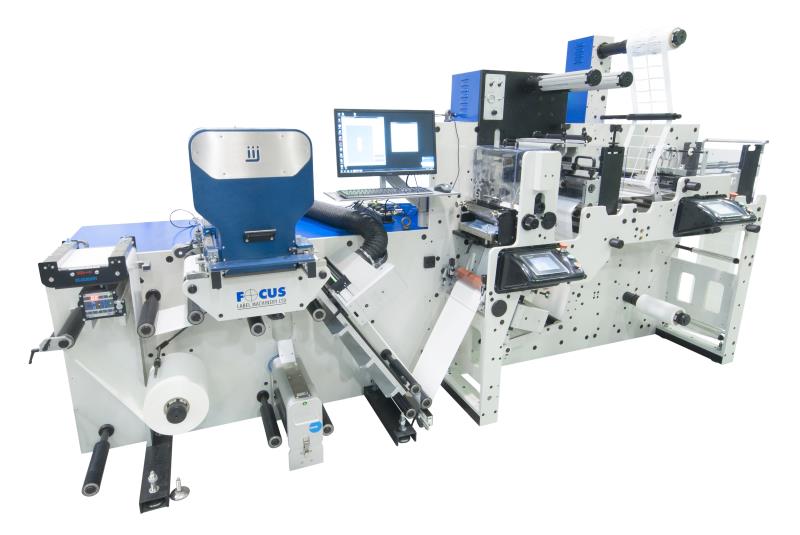
Focus Label Machinery Ltd have been awarded the prestigious Stationers’ Company Warrant for their DFlex Digital Hybrid Press. The Warrant was launched in 2014 and was established as a mark of recognition to highlight excellence within our industries. In the last 11 years, the Stationers’ Company has recognised a breadth of industry excellence over multiple sectors.
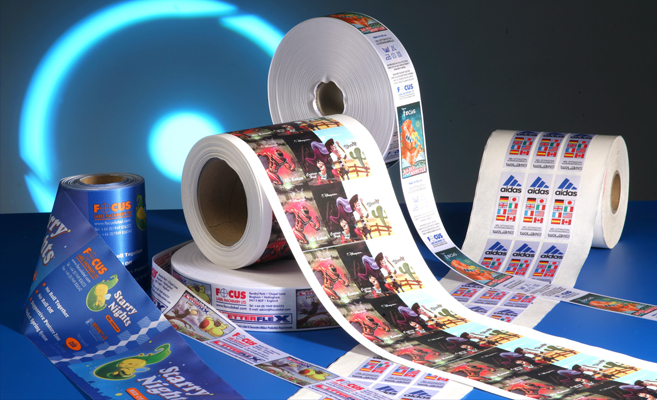
Labelexpo Europe 2025, the world’s largest event dedicated to label printing and package printing, delivered a landmark edition this past September that underscores the rapid evolution of the industry’s technology, market focus and global reach. The event, held in Barcelona for the first time in its 45-year history, drew over 37,000 attendees from more than 130 countries, reinforcing its position as the sector’s definitive innovation platform.
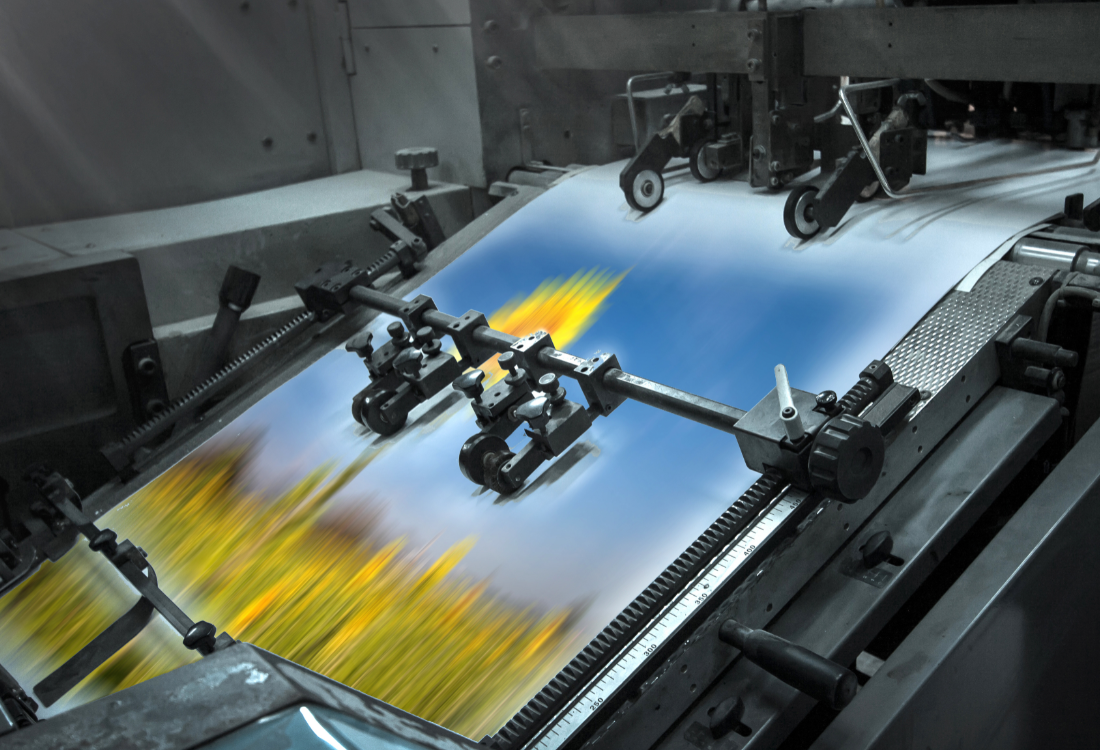
Love it or loathe it, sustainability – the ‘S word’ among some business owners has become a key driver of innovation in the digital inkjet and hybrid technology sector throughout the UK and Europe. For businesses involved in label and print production, embracing greener practices can enhance efficiency and reduce costs, as well as minimise the operation’s carbon footprint. With ‘net zero’ drives being felt in every sector, advances in technology are now making it easier than ever for businesses to reach their sustainability goals. Let’s look at the main sustainability trends shaping the label printing sector and how you can utilise them for your business.