

For businesses using narrow & medium web printing machinery, there are many products to choose from. There are also many technologies on the market, which can make it difficult to choose which innovations will benefit your label printing requirements most. Looking for the following characteristics in your printing machinery supplier can help you make an informed decision.
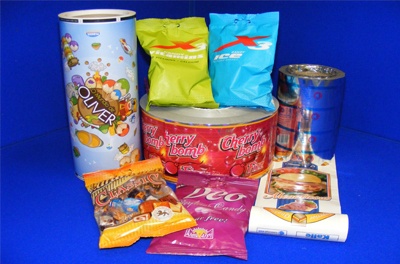
At first glance, flexographic label printing may appear to have a high level of complexity. However, the printing process has several core features that apply regardless of the product or label material. This article will show you how to understand your customer’s print requirements and produce product labels in accordance with your brief. A more in-depth discussion of the technical aspects of label printing is included in our free eBooks: Guide to Printing on Textiles, and The Ultimate Guide to Flexo-Printing.
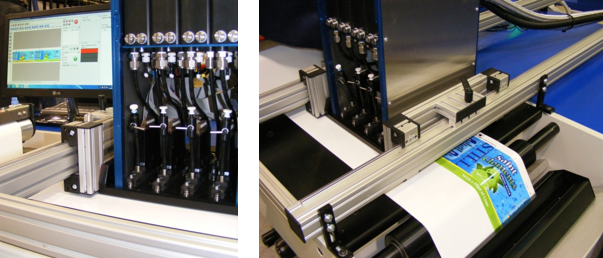
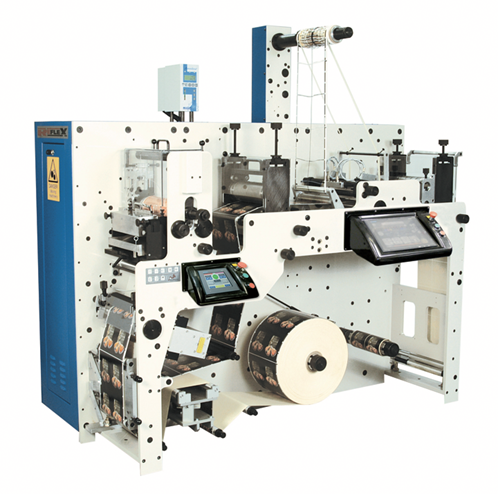
With relative slow production speeds digital printing & finishing have been regarded as separate processes. With current speeds of some digital technologies approaching speeds of analogue flexo, offset & letterpress machinery it is becoming practical to combine digital printing with traditional print shop equipment to take advantage of ‘ in line’ finishing, cold foil, hot foil & silk screen services in order to enhance and value add to the product label. Hence the term ‘hybrid digital solution’. A hybrid solution can bridge the gap between flexo and digital for a print shop. It can improve the colour gamut limitations of digital. Thanks to its flexibility and ongoing ability to interchange print technologies you can produce labels in either flexo or digital print, or a combination of both technologies, this is the significant long-term advantage of a hybrid press.
On several levels digital printing cannot be compared directly with conventional printing systems. In fact each of the systems discussed can have a defined appearance compared to analogue printing. This is no different to comparing the subtle differences in gravure, flexographic & lithographic printing. The digital option will have different rules relating to costs & price pressures and anyone expecting this new technology to replace their existing analogue equipment with a simple press of a button will be disappointed. Digital printing requires a lot of advance preparation in the presented files, the saying rubbish in, rubbish out is absolutely true in this case. In asking the right questions & preparing trials you can manage expectations and make the right choice for your market.
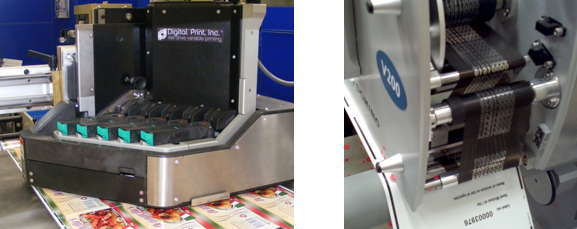
Almost everyone will have some experience of digital printing either at home or in the office through desktop printers, copiers & scanners. Digital technology has made considerable steps forward in the narrow web & labels industry over the past 20 Years. There are now numerous Digital technologies in the market place with investment from under £5K to an eye watering £1.5M GBP. But are they all equal…??
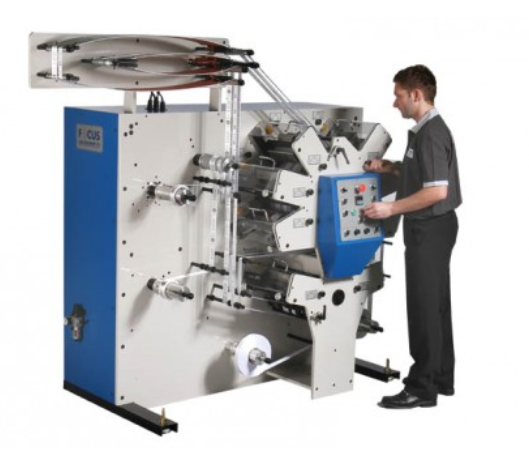
Technology in the print industry continues its rapid evolution, especially where label printing is concerned. Thanks to constant change and innovation, there are now several ways to print labels on ribbons. Whether thermal transfer technology, digital offset, dye sublimation, hybrid or ink jet technology is employed, businesses seeking options for printing on ribbon labels are certainly spoiled for choice.