

It’s nearly 600 years since the invention of the printing press in 15th century Germany but, as technology continues to evolve, many companies are now incorporating digital printing machines into their label production, alongside analogue presses.
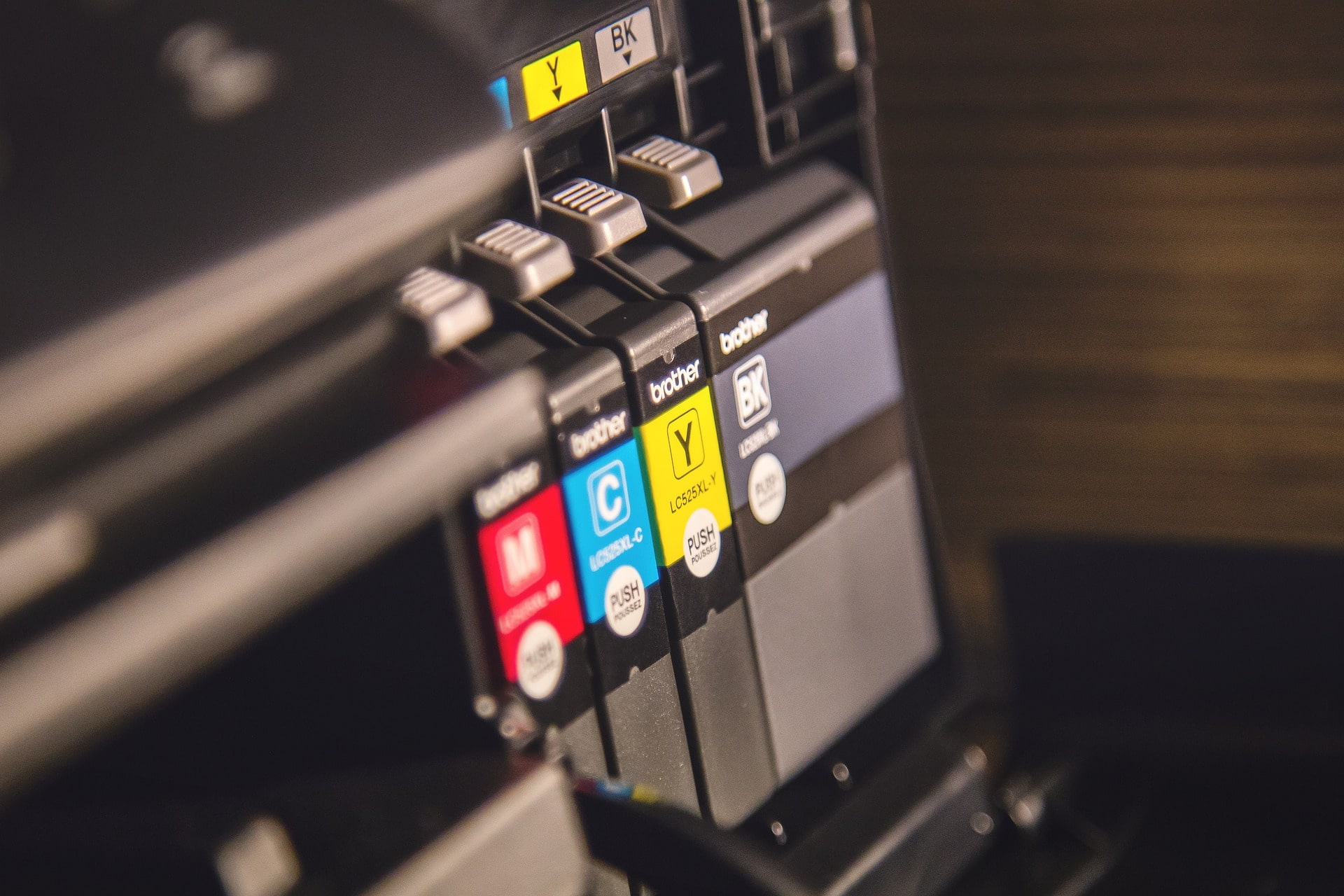
Few industries have been unaffected by supply chain problems since the start of the pandemic, which have been exacerbated by the Ukraine War and other global factors, so in this article we’ll explore the main effects for businesses seeking high-volume label printing and how, at Focus Label, we can help.

Embossing is renowned for its luxurious appearance and tactile texture, making it a popular choice for many print applications, including Christmas cards, invitations, business cards, and certificates & labels.
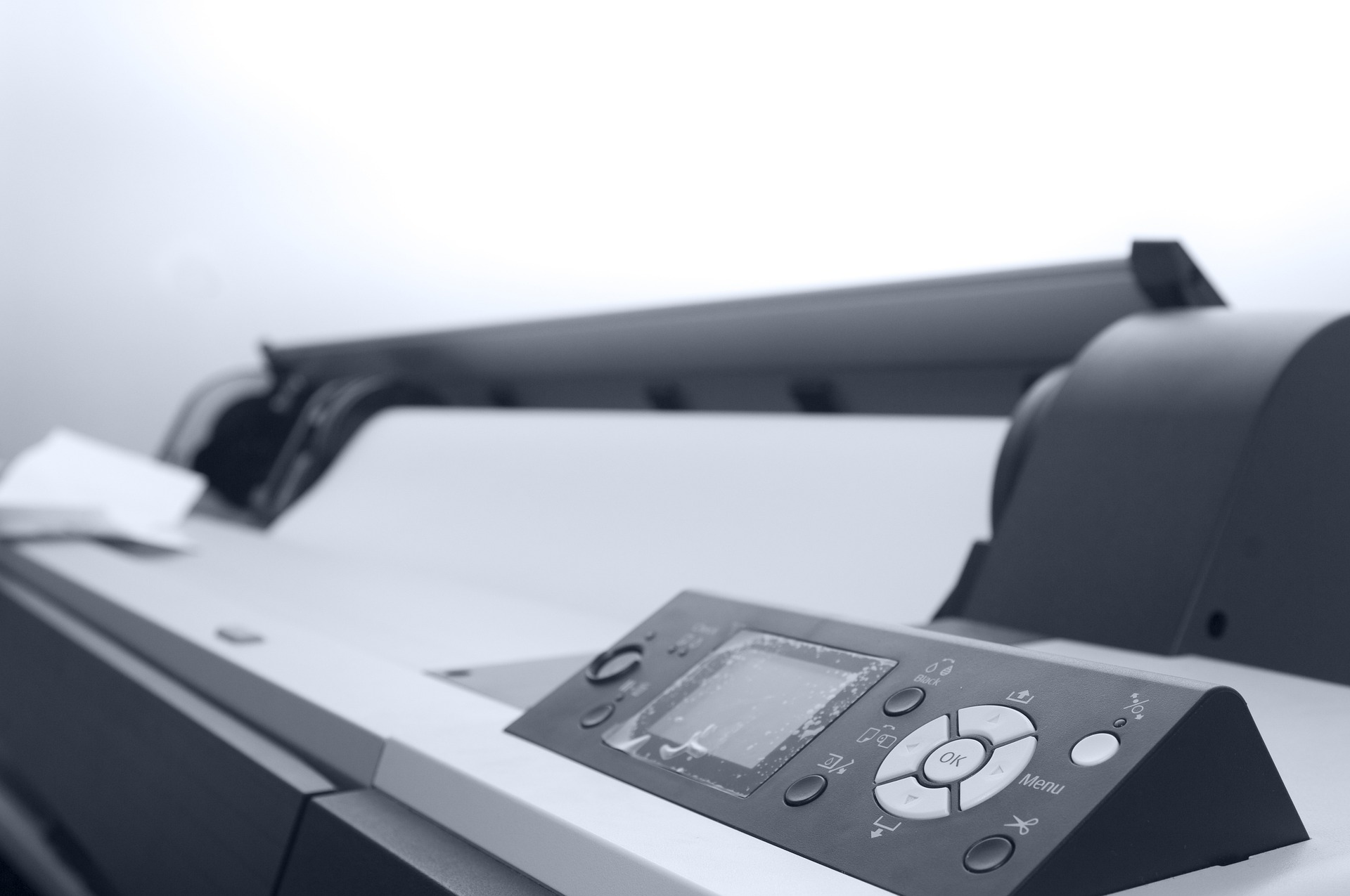
Once described as the ‘greatest weapon in the armoury of the modern commander’, the role of the printing press has certainly changed over time, yet its importance today is as steadfast as it was when Lawrence of Arabia was fighting alongside Arab forces in the Middle East. Today, the worldwide printing industry is worth a staggering £821bn, but while businesses may be tempted to cut back on their expenses during times of economic uncertainty, there are several compelling reasons why high-quality label printing remains a critical asset for customers.
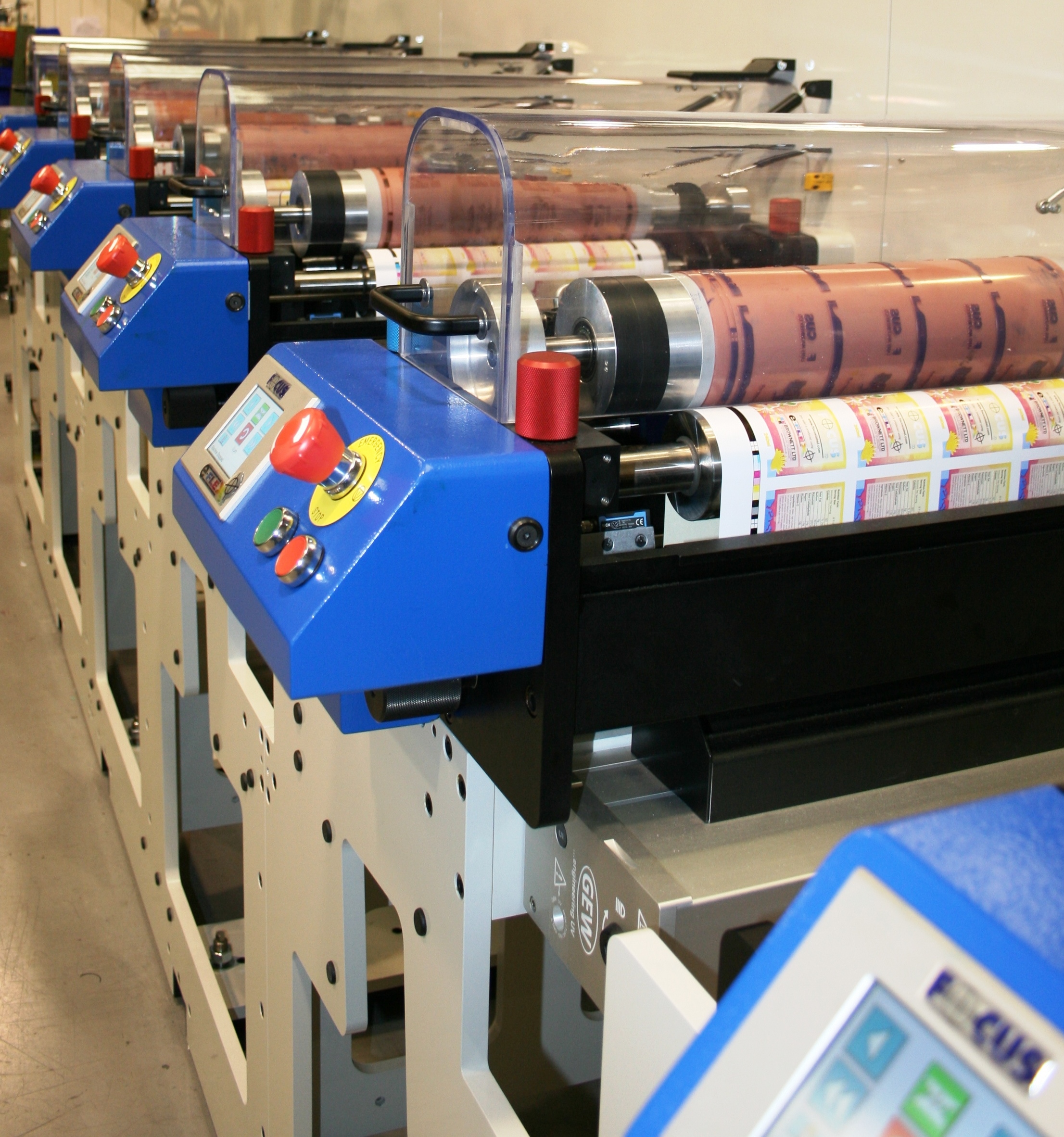
Making a business investment in flexographic printing equipment is not a decision to be made overnight. In general companies don't invest in new kit unless it is necessary, so it can sometimes be a challenge to persuade directors/shareholders to release the capital. However, the technological changes that have taken place in flexo machines over recent years make a compelling business case for not delaying your investment.

Invitation to visit Focus Label Machinery Ltd & our Manufacturing, Production & Showroom facilities.